


Comparing Weight Capacities
300 lb, 350 lb, and 400 lb Under-Desk Treadmills
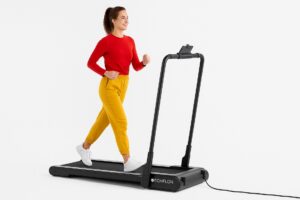
One of the most important things to think about when choosing an under-desk bike is how much weight it can hold. To make sure the machine is safe and lasts a long time, the construction should be right for your weight. This is always the case, no matter how big you are or how little help you need. To help you choose the best range for your needs, we will give you a thorough review of the three most common weight capacity categories: 300 pounds, 350 pounds, and 400 pounds.
1. Why Weight Capacity Matters
Because of how well it works, weight ability is not just a suggestion; it is a must. When you use a bike more than its recommended amount, you might experience the following:
- Shortened motor life
- Increased wear and tear on the frame and belt
- Potential warranty issues
- Reduced safety and stability
When using a treadmill, it is recommended that you leave a gap of twenty to thirty pounds between your weight and the maximum weight capability of the treadmill.
2. 300 lb vs. 350 lb vs. 400 lb Treadmills
Feature | 300 lb Treadmills | 350 lb Treadmills | 400 lb Treadmills |
|---|---|---|---|
| User Profile | Light- to average-weight users | Above-average to heavy users | Heavy-duty users |
| Frame Construction | Lightweight | Medium-duty | Heavy-duty steel |
| Motor Power | 2.25–2.5 HP | 2.5–3.0 HP | 3.0–4.0 HP+ |
| Price Range | $250–$650 | $600–$900 | $900–$2000+ |
| Portability | Highly portable | Moderately portable | Least portable |
| Best For | Daily walking at a desk | Frequent users, longer walks | Heavy users, long hours, rehab |
3. 300 lb Capacity Treadmills
Lightweight and Affordable
Best For:
- Offices at home
- People who weigh less than 270 pounds
- Small budgets
- Use from time to time to moderately
Top Models:
- The UREVO 2-in-1 Under Desk TreadmillSpeed: 0.6–7.
- Can be folded up and controlled from a distance
- Small and quiet
- WalkingPad C2 Mini Treadmill That Folds Up
- Small and stylish
- Can be folded up for tiny flats
- Best for those who weigh less than 250 pounds
- The UREVO 2-in-1 Under Desk TreadmillSpeed: 0.6–7.
Positives:
- Cheap and takes up little space
- This is perfect for short walks.
- Perfect for those buying for the first time
Negatives:
- Not very stable at maximum weight
- A smaller belt
- Most models don’t have inclination functions.
4. 350 lb Capacity Treadmills
Versatile and Balanced
Best For:
- Users that are average to above average in weight
- Walking every day for a moderate to substantial amount of time
- Workspaces at an office or with others
Top Models:
- TR1200-DT3 Under Desk Treadmill from LifeSpan
- Speed: 0.4 to 4.0 mph
- Works in a whisper-quiet way
- Fits on a desk and is low-profile
- Exerpeutic 5000 WorkFit Treadmill Desk
- Incline by hand
- Wide area to stroll on
- Controls built onto the handlebars
- TR1200-DT3 Under Desk Treadmill from LifeSpan
Positives:
- Frame and motor that are stronger
- Support for more weight from users
- More comfortable deck padding for extensive usage
Negatives:
- A little heavy and tougher to maneuver
- Costs more than 300 lb models
5. 400 lb Capacity Treadmills
Built for Strength and Stability
Best For:
- A lot of users
- Long periods of labor
- Therapeutic walking, rehab, or recovery
- For business or shared usage
Top Models:
- Heavy-Duty Under-Desk Treadmill from RehabFitLimit of 400 pounds
- Belt with padding to protect joints
- Incline with a motor
- iMovR ThermoTread GT Office Treadmill
- For business use
- Works very quietly
- Made to be used all day
- Heavy-Duty Under-Desk Treadmill from RehabFitLimit of 400 pounds
Positives:
- The frame and motor are the most durable.
- Better safety and comfort
- Electronics that work really well
Negatives:
- Costly
- Heavier and harder to move
- Needs additional room
6. How to Choose the Right Capacity for You
Start by Answering These Questions:
- What’s your current body weight?
You should try to find a treadmill that can hold an extra 20 to 30 pounds. - How long will you use it each day?
Because it has to work harder, intensive use needs a stronger frame and a motor that lasts longer. - Do you need incline or special features?
Models with more storage space usually have more advanced features, like incline, Bluetooth, and better shock absorption. - Do you have space for a heavier treadmill?
Models that weigh up to 400 pounds will need more floor space and weigh an extra 100 to 150 pounds.
- What’s your current body weight?
7. Weight Capacity and Motor Performance
When someone is bigger, they put more stress on the treadmill’s motor. There should be at least 3.0 constant horsepower (CHP) in the motor of a machine you buy if you weigh more than 300 pounds. This plan will keep the machine from getting too hot or breaking down too soon.
8. Treadmill Belt Size and Cushioning for Heavy Users
Heavier users should look for:
- Wider belts (at least 18″–20″) for stability
- Longer decks (45″+) for full stride length
- Cushioning systems to absorb joint impact
- Heavy-duty rollers to handle the belt tension under load
9. Real User Feedback
300 lb Capacity User Feedback:
“I’m 260 lbs, and the UREVO works great for me, but I wouldn’t push it to the limit.”
350 lb Capacity User Feedback:
“The LifeSpan TR1200 was perfect for my office. Quiet, smooth, and supports my 310-lb weight easily.”
400 lb Capacity User Feedback:
“I’ve struggled to find a treadmill that didn’t wobble—until I bought the RehabFit. It’s solid and reliable even at my weight (390 lbs).”
10. Choosing the Right Weight Capacity
User Weight | Recommended Treadmill Capacity |
|---|---|
| Under 250 lbs | 300 lb treadmill |
| 250–320 lbs | 350 lb treadmill |
| 320–390 lbs | 400 lb treadmill |
| Over 390 lbs | Commercial-grade 400+ lb unit |
It is recommended that you make it a point to regularly strive toward reaching a safety cushion that is ten to fifteen percent higher than your weight if you want to use the machine on a regular basis. This is especially true if you want to increase the frequency with which you use the machine. In spite of the fact that you are making an effort to minimize costs, it is not a smart idea to cut corners when it comes to the quality of the building. In the long term, it is likely that placing an excessive amount of weight on a bicycle may prove to be not only dangerous but also expensive.
- Best Under-Desk Treadmill Wirecutter Reviews
- Best Under-Desk Walking Treadmill
- Best Under-the-Desk Treadmill
- Best Walking Treadmill Under Desk
- The Rise of Under-Desk Treadmills
- What Is an Under-Desk Treadmill?
- Understanding Weight Capacity in Under-Desk Treadmills
- Best Under Desk Treadmills by Weight Capacity
- Finding Under-Desk Treadmills
- Under-Desk Treadmills on Amazon