






How to Lubricate a Treadmill Belt
Making certain that the belt is sufficiently oiled is a significant component of the process of lubricating a treadmill. This ensures that everything continues to function properly, that there is less wear and tear, and that your instruments have a longer lifespan overall. If you do not grease your motor, it is possible that it may generate additional pressure, get excessively hot, or perhaps break down completely. You may learn how to lubricate a treadmill belt in a safe and efficient manner by referring to this site.
1. Why Is Lubricating a Treadmill Belt Important?
Friction between the deck and the belt might cause the motor to grow excessively heated. This friction is reduced by the use of lubrication, which enables the treadmill to operate flawlessly.
Reduces Friction
Friction between the deck and the belt might cause the motor to overheat excessively. This friction is reduced by the use of lubrication, which enables the treadmill to operate flawlessly.
Enhances Longevity
If a treadmill is properly maintained, it may continue to function for many years. The components of the treadmill are preserved when the equipment is lubricated on a regular basis, which keeps it from wearing out prematurely.
Improves Performance
To improve the user experience, the surface must be lubricated properly to guarantee that it remains constant and smooth-running.
Saves Money
Expensive repairs or replacements may result from a lack of maintenance; however, regular maintenance can prevent this from occurring.
2. How Often Should You Lubricate Your Treadmill Belt?
Lubricate as needed, based on machine use and the manufacturer’s advice. As a general rule of thumb:
- For light use, defined as less than three hours per week, maintenance should occur every six to twelve months.
- Moderate Use (3-5 hours/week): Every 3-6 months
- Heavy Use (more than five hours per week): Every one to three months.
For more detailed instructions, see the handbook for your treadmill.
3. What You Need to Lubricate a Treadmill Belt
Please gather the following items before beginning the job:
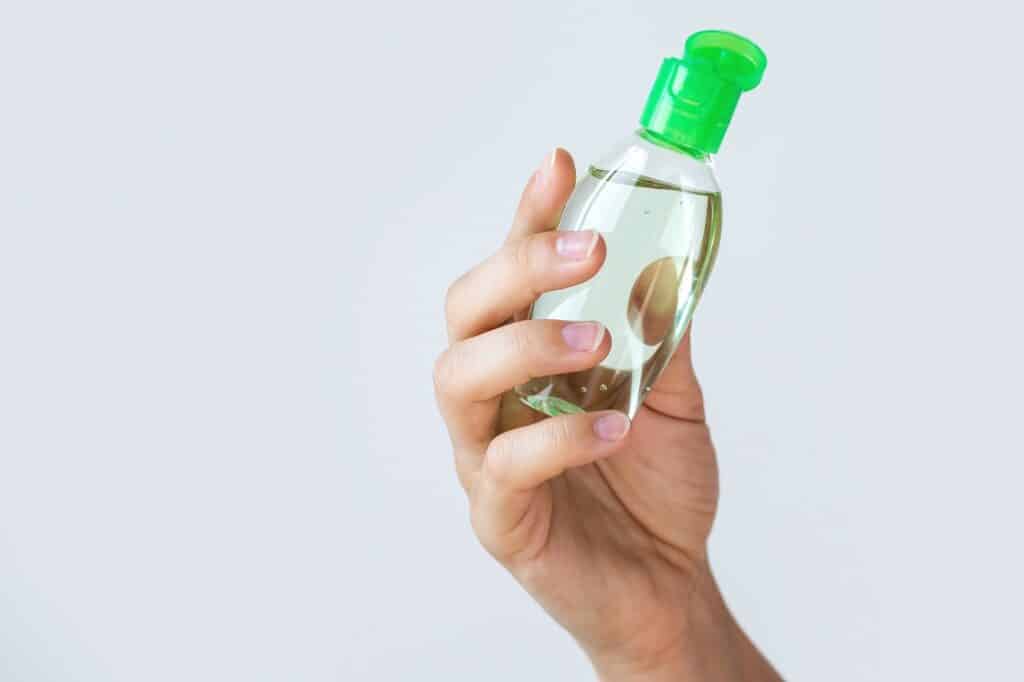
- If you need to grease your machine, it’s always best to follow the manufacturer’s advice and use a silicone-based product. Things made of gasoline shouldn’t be used on the belt because they could damage it.
- Clean Towel or Cloth: This is used to clean the deck and the area around it.
- The bicycle belt is loosened with the assistance of an Allen wrench.
- You are able to eliminate the dust and other types of filth that accumulate underneath the machine if you have a vacuum cleaner.
4. Step-by-Step Guide to Lubricating a Treadmill Belt
Step 1: Turn Off and Unplug the Treadmill
Safety is the most important thing to us! To make sure nothing disastrous happens, make sure the treadmill is not only unplugged but also completely turned off.
Step 2: Clean the Treadmill Deck
Use a cloth or a vacuum cleaner to remove any dust, dirt, and other debris from the treadmill’s belt and deck. This step is needed to keep dirt and other impurities from getting in the way of the lubricating process.
Step 3: Loosen the Treadmill Belt
Loosen the bolts on the back of the treadmill with an Allen wrench. Turning each bolt counterclockwise will make sure you have enough room to reach the deck, which is under the belt.
Step 4: Apply the Lubricant
Write down the specific location on the deck where the belt makes contact with it. Running a thin line of silicone grease along the edge of each treadmill deck is a beneficial idea. The majority of the contact occurs in the central area; therefore, it is advisable to avoid applying lubricant there. To apply the oil, rub it in with a cloth or let the belt do it while it works.
Step 5: Tighten the Belt
You may make the belt tighter by twisting the nuts counterclockwise after the lubrication has been applied. The belt should be snug but not uncomfortable or loose. It should be just what is required in this case.
Step 6: Test the Treadmill
Plug it back into the wall and turn it on after taking it apart. Let it run slowly for one or two minutes. With this, the oil can be spread out evenly on both the belt and the deck.
Step 7: Clean Excess Lubricant
To prevent slipping and mess, wipe off excess lubricant from the belt and deck.
5. Common Mistakes to Avoid
1. Avoid Non-Silicone-Based Lubricants
Only use silicone-based lubricants as recommended by the manufacturer. Other kinds of treadmills have the potential to cause harm to its components.
2. Over-lubricating
When there is too much oil, the belt might become slippery, which can be dangerous. You should only use the appropriate quantity.
3. Ignoring Cleaning
If the cleaning phase is skipped, dirt and debris might potentially mix with the lubrication, which would then limit the lubricant’s efficiency.
4. Neglecting the Belt Tension
It is important to keep in mind that tightening the belt might help one prevent problems with their ears or with operations.
6. Signs Your Treadmill Needs Lubrication
You may prevent issues from worsening if you are able to determine if the belt on your treadmill is dry. Here are some things to look out for:
- Greater Noise: High levels of friction are indicated by the presence of a squeaky or grinding sound.
- Movement of the Stiff Belt: The belt is uncomfortable or difficult to move.
- Overheating of the Motor: The motor grows scorching while it is being used.
- Visible Wear: Any cracks or fraying that are seen on the surface of the belt
7. Additional Maintenance Tips
Inspect Regularly
While the treadmill is in operation, make sure to listen for any strange sounds and keep an eye out for any bolts that could be loose or belts that might be worn out.
Keep It Clean
Underneath the treadmill, it is possible for things to get blocked. In order to maintain the cleanliness of the treadmill, it is important to vacuum around it often.
Follow Manufacturer Guidelines
Adhere to the maintenance plan and recommendations that are provided in the user handbook.
The process of lubricating your treadmill belt is simple and essential in order to ensure that it functions at its optimal level, that it lasts longer, and that you do not have to spend as much money on it in the long run. You can maintain the smooth operation of your treadmill for many years to come if you follow the instructions in this book and do routine maintenance on it.
Since your treadmill is an investment in your health and workout regimen, it would be beneficial for you to ensure that it is well maintained. If you make sure to clean your treadmill properly, it will give you more pleasant workouts and cause you less pain.
- Master Your Fitness with a Manual Treadmill 17+ Power Boost!
- 13+ Amazing Incline Treadmill Benefits Backed by Science
- 3+ Folding Treadmills That Make Home Fitness Effortless
- 5+ Treadmill Types Overview: The Ultimate Fitness Companion
- 19+ Game-Changing Treadmill Accessories You Need Today
- 7+ Recommended Apps for Tracking Workout That Boost Resul
- 3+ Guaranteed Fitness Equipment Comparison Charts
- 15+ Elite Treadmill Resources for Total Success
- Treadmill Issues and Fixes Simplified: 9+ Step-by-Step Guide
- Expert 19+ Safety Tips for Treadmill Use For Enhance Fitness