




How Much Does It Cost to Fix a Treadmill Belt?
The treadmill is among the most well-liked and practical home workout devices. You can work out at home by jogging, walking, or running on a treadmill. Like any other piece of equipment, treadmills eventually wear out, especially the belt.
You need to replace or repair your treadmill belt right away if it is sliding, breaking, or making odd noises. The cost of repairing a treadmill belt, the various replacement options, do-it-yourself fixes, and equipment maintenance advice to prolong its life are all covered in this tutorial.
1. Understanding the Treadmill Belt
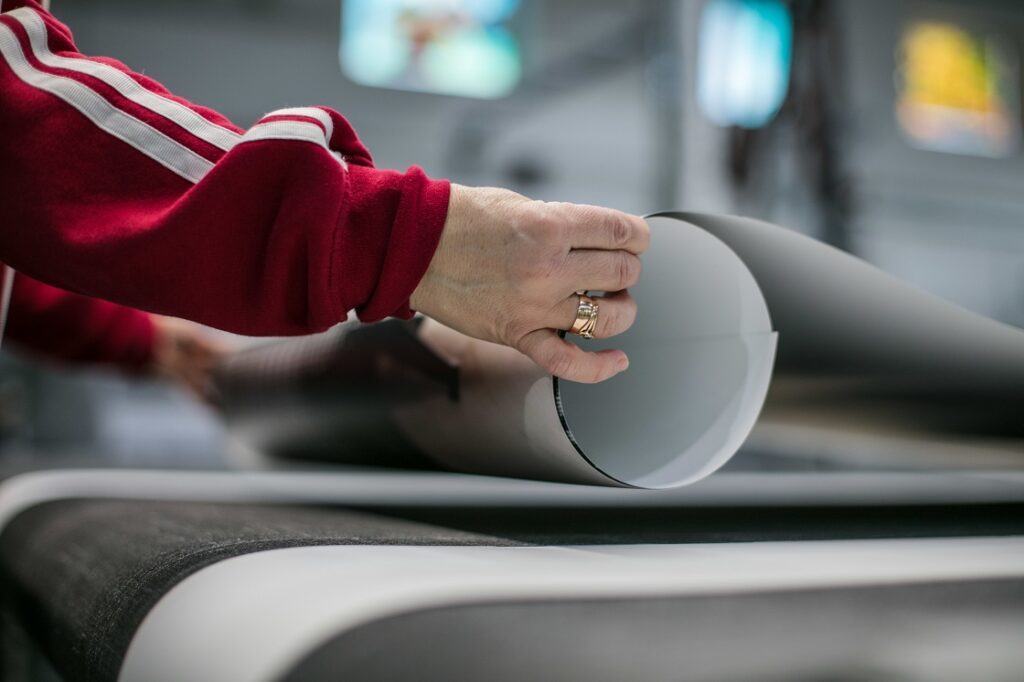
You walk or run on a surface that is moving and flat, and that surface is the treadmill belt. It allows you to workout continually by rotating around rollers that are driven by the motor so that you may exercise. The belt may experience wear, straining, or misalignment as a result of continuous friction and pressure over an extended period of time.
Reasons Why Belts Are Worn All the Time:
- A lack of lubrication causes an increase in friction, which in turn accelerates wear.
- A buildup of dust or debris causes the belt to drag and wear unevenly, which is frustrating.
- When tension or alignment is not done correctly, it might result in premature stretching or fraying.
- Because of heavy or frequent use, the belt and deck will age more quickly than they would otherwise.
2. Common Signs Your Treadmill Belt Needs Repair or Replacement
It is possible to prevent more costly repairs in the future by identifying problems at an earlier stage. Keeping an eye out for these signs:
- Physical damage may be identified by visible indications such as cracks, tears, or frayed edges.
- The belt does not move smoothly or seems unstable, and it is slipping or skipping, respectively.
- The noises of grinding, squeaking, or pounding that occur when running are considered to be unusual.
- Jerky motion refers to movement that is not even or belt that drifts to one side.
- An unpleasant odor that is caused by friction that occurs when the belt is not adequately oiled.
In the event that you see any of these issues, it is important to examine the treadmill belt and think about replacing it.
3. How Much Does It Cost to Fix a Treadmill Belt?
The type of treadmill you have, whether you want to replace it or repair it, and whether you hire a professional or do the repairs yourself will all affect the final cost.
A. Cost of a New Treadmill Belt
The best course of action is typically to replace the belt if it is severely damaged.
| Type of Belt | Average Cost (GBP) | Description |
|---|---|---|
| Basic/Home Use Belts | £30 – £100 | This product is suitable for standard treadmills used for walking or light jogging. |
| Premium/Commercial Belts | £100–£250 | It is designed for heavy-duty use in gyms or advanced home treadmills. |
B. Labor Costs (Professional Installation)
If you hire a professional, you can be confident that the installation and adjustment stages are done right.
- Home treadmills often range in price from one hundred to two hundred pounds.
- Businesses that have structures that are more expensive
- Home treadmills often range in price from one hundred to two hundred pounds.
C. Additional Costs to Consider
- Fees for service or a call-out vary from £50 to £100.
- If the deck is damaged, it would cost between £100 and £300 to repair it.
- Things you need to keep things running smoothly and lubricated Between £10 and £20
D. Total Estimated Cost
When it comes to regular treadmills for the house, the cost of repairing or replacing a belt typically ranges from £150 to £400. This price includes both the actual components and the labor.
The price of a high-end treadmill or one that requires further maintenance might be as much as or even more than £500.
4. Factors That Affect the Cost of Repair
There are a lot of variables that might possibly impact the overall cost of fixing your treadmill belt. Some of these considerations include, but are not limited to, the examples that are provided below:
- On the other hand, high-end models like as the NordicTrack, Peloton, and ProForm could need components that are more costly and sophisticated than those necessary for the standard model.
- When compared to the cost of acquiring a new belt, the cost of correcting small faults with balance or tension is far less expensive.
- It is possible that you may save money by doing repairs on your own; but, in order to do so, you will want the required tools and the capacity to perform the essential tasks.
- In the event that the belt comes with a guarantee, it is within the realm of possibility that acquiring a new belt would be a worthwhile investment.
- It is possible that the cost of work and services will differ from one place to another, depending on where you are located. There are a number of different sites.
5. DIY Treadmill Belt Replacement: Step-by-Step Guide
If you know how to use basic tools, you can save anywhere from one hundred to two hundred pounds by changing the treadmill belt yourself.
Tools You’ll Need:
wrench made of Allen, which is often provided with treadmills
- The screwdriver
- New belt for the treadmill
- Lubricant made with silicone
Step-by-Step Process:
Before you start using the treadmill, be sure it is unplugged and turned off.
- To see the rollers and the belt, you need to take off the motor cover with a screwdriver.
- After you loosen the belt, you need to use an Allen wrench to adjust the tension screws.
- So, to take off the old belt, you need to carefully slip it off of the deck and the rollers.
- You need to make sure that the new belt is facing the right way and that it is evenly spread out across the rollers when you put it on.
- You may stop the belt from moving by making the screws a little bit tighter to change the tension.
- To keep the belt lubricated, use a silicone-based lubricant on the deck below it in the same way.
- You should test the machine by running it slowly to make sure it moves smoothly and stays in the middle.
Keep in mind that installing it wrong might cause uneven belt wear or damage to the motor. So, be careful as you continue, or ask an expert for help if you’re not sure what to do.
6. How to Extend the Life of Your Treadmill Belt
Under the assumption that the necessary precautions are followed, it is feasible to significantly cut down on the cost of repairs over the course of time.
- For the purpose of ensuring that the belt remains in pristine condition, it is necessary to do a weekly vacuuming of the region that is located underneath and all around the treadmill.
- Lubricate frequently: To reduce the amount of friction, use lubricant at regular intervals of three to six months.
- To determine whether or not the belt is properly aligned, ensure that it remains centered and moves smoothly over the deck.
- To avoid putting pressure on the motor and belt of the treadmill, it is essential to adhere to the weight limitations that are specified for the treadmill and to avoid overloading it.
- The use of a treadmill mat is helpful due to the fact that it helps absorb impact and minimizes the collection of dust on the floor below.
7. When Should You Replace the Treadmill Belt?
This indicates that the belt of your treadmill needs to be replaced if you see any of the following:
- Flaws in the fabric that are readily apparent, such as rips, splits, or fraying
- After running your hand over the belt, you will be able to feel the roughness of the belt.
- There is still slippage or noise even after the lubricant has been put to the treadmill, despite the fact that it has been used extensively for the last five to seven years without being changed.
8. Is It Worth Fixing a Treadmill Belt?
Spending money on the treadmill belt is typically a good idea because it is something that should be replaced or fixed rather than ignored. In the event that the machine is in good condition and the motor is operating without any issues, it is more cost-effective to replace the belt rather than purchase a new one.
If your gadget is more than ten years old or if it breaks down often, you may want to consider purchasing a new one. The cost of repairing a treadmill belt may range anywhere from £150 to £400, which is equivalent to between $195 and $520 in United States dollars. What sort of treadmill you have, the extent of the damage, and the method that is used to repair it are all factors that influence the price range. The longer you ride your treadmill and the more often you clean and lubricate it, the longer it will survive and the less expensive it will be to repair.
If you take care of your treadmill on a regular basis, it will not only improve its performance, but it will also ensure that your workouts are risk-free, silent, and uninterrupted. Consequently, this elevates the quality of each and every step of your journey toward improved health and activity.
- Best 2-in-1 Treadmills
- Best at Home Treadmills under $1000
- Best Folding Treadmills for Small Spaces
- Best Home Treadmill for Walking
- Best Home Treadmills Under $1000
- How does Shock Absorption Work in Treadmills?
- How Long Should You Use a Treadmill Standing Desk Each Day?
- Will the Apple Health app track treadmills?
- How Much MPH Should I Walk on a Treadmill?
- How to Lubricate a Treadmill?